-01.avif)

Specialty Tree Healthcare: Essentials for Metro Detroit Estates & Orchards

Trees are the silent sentinels of our urban landscapes, standing tall and resilient amid the concrete and commotion. Their presence is not just aesthetic; they are vital to the ecological and emotional fabric of our communities. Yet, maintaining their health in an urban environment is a complex challenge that requires precision, knowledge, and a deep respect for the natural world. As an expert arborist and clinical tree consultant, I have witnessed firsthand how targeted care can transform struggling trees into thriving monuments of life. This post outlines the clinical standards for Metro Detroit specialty tree healthcare, providing estate owners and orchardists with the scientific framework necessary to protect their legacy canopy.
Metro Detroit Specialty Tree Healthcare: Clinical Essentials
Urban trees face unique stressors that their rural counterparts rarely encounter. Compacted soils, limited rooting space, pollution, and mechanical injuries from construction or traffic all conspire to weaken their defenses. To counter these challenges, urban arbor care must be both proactive and adaptive.
Key components of urban arbor care include:
Soil Health Management: Urban soils are often compacted and nutrient-poor. Aeration and organic amendments can restore soil structure and fertility, promoting root growth and water infiltration.
Watering Strategies: Trees in cities may suffer from drought stress despite occasional rainfall. Deep, infrequent watering encourages roots to grow downward, enhancing drought resilience.
Pruning and Structural Support: Proper pruning removes dead or hazardous branches, improves airflow, and shapes the tree for long-term stability.
Pest and Disease Monitoring: Early detection of invasive pests or diseases allows for targeted, chemical-free interventions that protect tree health without harming the environment.
Mulching: A well-applied mulch layer conserves moisture, moderates soil temperature, and suppresses weeds.

Each of these elements requires a tailored approach based on species, site conditions, and the tree’s developmental stage. The goal is to create a stabilized environment where trees can maintain structural integrity and biological function within an urban footprint.
The Science Behind Tree Health Preservation
Trees are living organisms with complex physiological processes. Understanding these processes is crucial for effective care. Photosynthesis, transpiration, nutrient uptake, and growth cycles all respond dynamically to environmental conditions.
One of the most critical aspects of tree health is the root system. Roots anchor the tree and absorb water and nutrients. In urban settings, roots often struggle against compacted soil and physical barriers like sidewalks and foundations. This stress can lead to reduced vigor and increased susceptibility to pests.
To mitigate this, I employ clinical-level diagnostics such as soil testing, root collar examinations, and canopy health assessments. These tools help identify hidden issues before they manifest as visible decline. For example, a subtle discoloration in leaves might indicate nutrient deficiency or early pest infestation.
Another vital factor is the tree’s vascular system—the xylem and phloem that transport water and nutrients. Damage to these tissues from improper pruning or mechanical injury can severely impair tree health. Therefore, precision pruning techniques that respect the tree’s natural growth patterns are essential.
Incorporating MDARD-certified organic treatments ensures that pest and disease management aligns with ecological principles. These treatments support the tree’s immune responses without introducing harmful chemicals into the environment.
Tailored Care for Heritage and Fruit Trees
Heritage trees and small orchards hold special significance. They are living legacies that connect us to the past and provide tangible benefits like shade, beauty, and fruit production. Their care demands a nuanced approach that balances preservation with productivity.
For heritage trees, the focus is on renovation and restoration. This involves:
Removing deadwood and structurally unsound limbs to reduce risk.
Enhancing soil conditions to support aging root systems.
Applying targeted nutrient treatments to address deficiencies.
Monitoring for invasive pests that threaten long-term survival.
In small orchards, the priorities shift slightly toward holistic orchard renovation. This includes:
Pruning to optimize light penetration and air circulation, which reduces disease pressure.
Implementing organic pest management strategies that protect beneficial insects.
Soil amendments tailored to fruit tree species and soil tests.
Irrigation management that supports fruit development without encouraging fungal diseases.
Both heritage and fruit trees benefit from a philosophy of healing over removal. Rather than defaulting to tree removal at the first sign of trouble, I advocate for interventions that restore health and extend the tree’s lifespan.
Practical Steps for Estate Owners and Orchardists
If you manage an estate or a small orchard, here are actionable recommendations to maintain tree health:
Schedule Regular Inspections: Twice-yearly assessments can catch problems early.
Invest in Soil Testing: Understanding your soil’s pH, nutrient levels, and texture guides effective amendments.
Adopt Organic Pest Controls: Use pheromone traps, beneficial insects, and certified organic sprays to manage pests.
Practice Strategic Pruning: Remove only what is necessary to maintain structure and health.
Apply Mulch Correctly: Keep mulch 2-4 inches deep and away from the trunk to prevent rot.
Water Deeply and Infrequently: Encourage deep root growth and reduce surface evaporation.
Document Tree Health: Keep records of treatments, observations, and growth patterns to inform future care.
By integrating these steps into your property management routine, you create a resilient landscape that supports both ecological and aesthetic goals.
Clinical Interventions for Aesthetic Vitality
The structural integrity and visual health of an urban tree are deeply interconnected. When we apply scientific rigor to canopy management, we aren't just improving safety; we are preserving the tree's natural form and biological vitality. This expert balance ensures that trees remain resilient assets rather than liabilities.
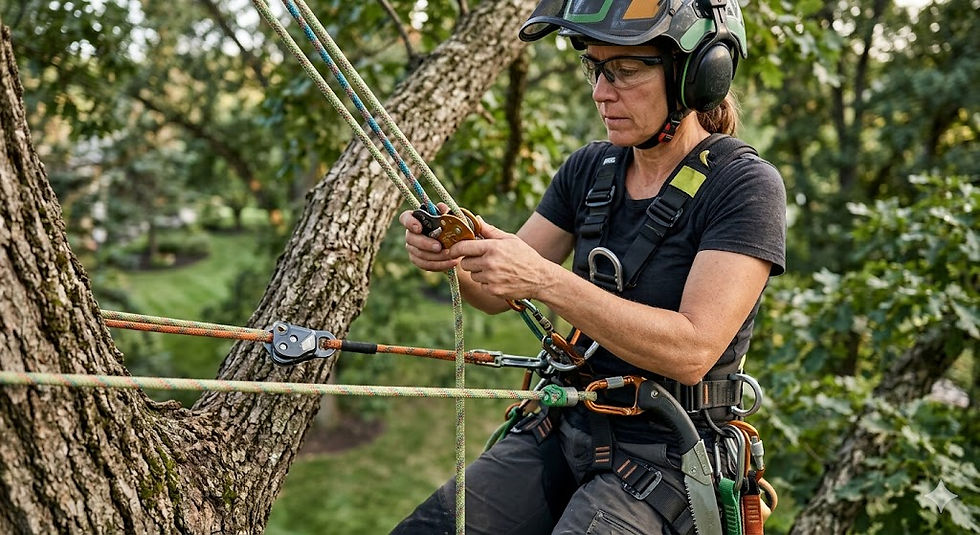
Elite arbor care is the result of technical precision—balancing necessary growth with professional restraint. By utilizing advanced diagnostics and modern climbing systems, we can execute interventions that honor the tree’s biology while meeting the specific safety and aesthetic needs of high-end properties.
Healthy urban trees contribute to cooler microclimates, cleaner air, and enhanced mental well-being.
For those seeking expert guidance, I recommend exploring urban arbor care services that combine clinical expertise with holistic practices. This integrated approach ensures your trees remain vibrant assets for generations.
Long-Term Stewardship of the Metro Detroit Canopy
The stewardship of urban and orchard trees is a long-term commitment. It requires vigilance, knowledge, and a willingness to adapt as conditions change. By prioritizing science-based care and organic treatments, we safeguard these living treasures against the pressures of urban life and invasive threats.
Whether you are nurturing a stately oak on your estate or tending a small fruit orchard, the principles of urban arbor care essentials remain the same: respect the tree’s biology, respond to its needs with precision, and celebrate its natural beauty.
In doing so, you secure the health of the natural world while protecting the long-term value of your property's living assets.


Comments