-01.avif)

Resilience in the Wetlands: The Surviving White Ash of Paavola


A Surprising Discovery in the Canopy
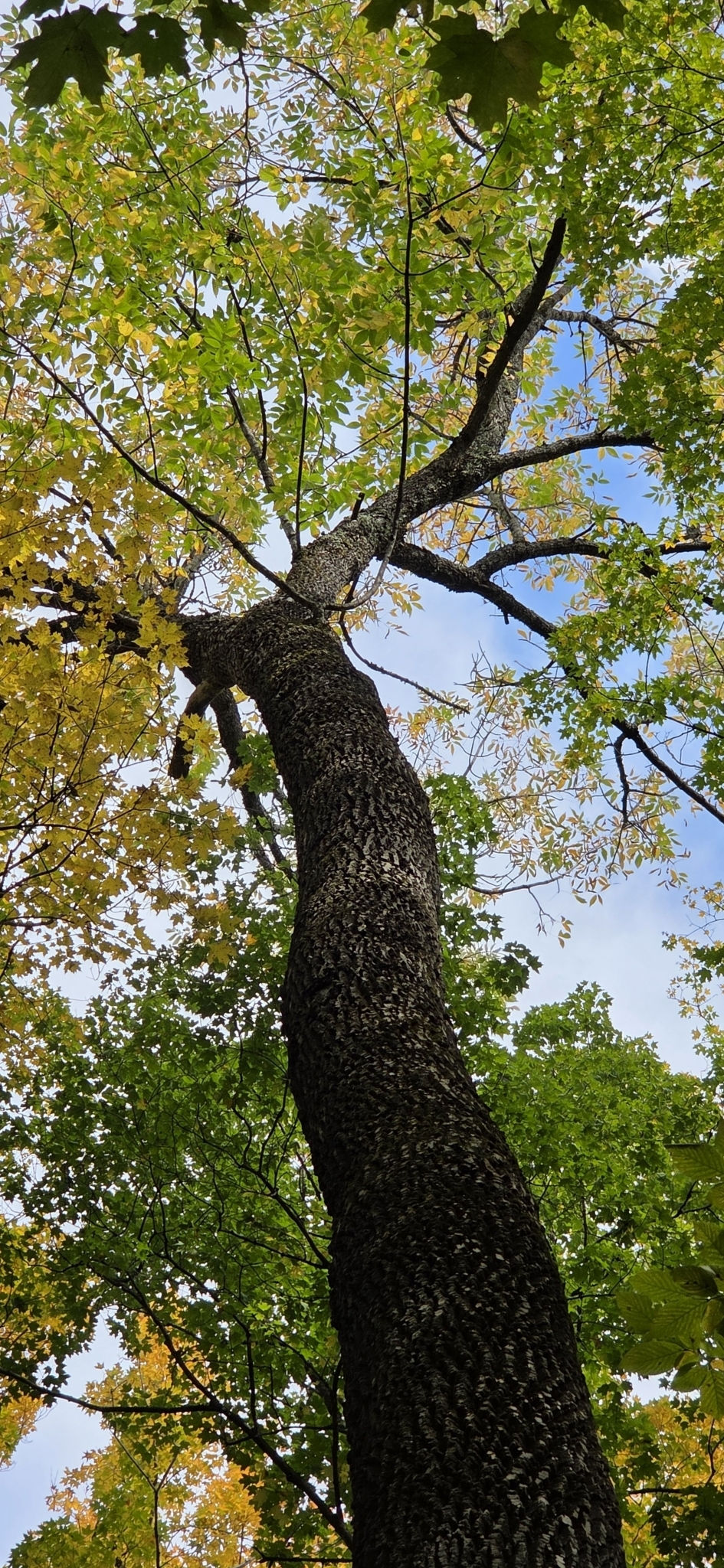
Walking through the damp, moss-covered trails of the Keweenaw Land Trust's Paavola Wetlands Preserve, one expects to find rich biodiversity, tranquil waters, and dense ground cover. What isn't expected—at least not in an era defined by devastating invasive pests—is finding a healthy, mature White Ash (Fraxinus americana) standing tall and untouched.
In recent decades, the Emerald Ash Borer (EAB) has decimated millions of ash trees across North America. Across entire regions, mature canopy ash trees have virtually disappeared, leaving behind standing dead timber and young saplings destined to fall victim to the beetle as soon as they mature.
Yet, deep within the Paavola Wetlands, a single 12-inch trunk White Ash continues to thrive.
Beavers engineer the standing water microclimates that ash trees naturally tolerate. © Dawn Hughes Trumpeter Swans share the protected, hydrologically rich habitat at Paavola Wetlands. © Dawn Hughes
The Wetland Engineers
A forest’s survival is entirely dependent on its hydrology and the organisms that engineer it. At Paavola, beavers have masterfully managed the standing water levels, creating the exact swampy microclimate that ash roots have historically adapted to tolerate. Sharing this rich habitat with Trumpeter Swans, these surviving White Ash trees are benefiting from a highly specific, protected ecosystem.
The Threat of the Emerald Ash Borer
The Emerald Ash Borer, a metallic-green beetle native to North-East Asia, was first identified in the United States in 2002. Its larvae feed on the inner bark of ash trees, disrupting the tree's ability to transport water and nutrients. Once infested, a tree typically dies within two to five years.
For forest conservationists and urban arborists alike, the loss has been catastrophic:
Ecological Disruption: Loss of critical habitat, shift in forest canopy structure, and altered hydrology in wetland areas.
Urban Canopy Loss: Millions of street and park trees removed at immense public cost.
Loss of Genetic Diversity: Rapid depletion of mature breeding stock across multiple ash species.
Why Has This White Ash Survived?
Seeing a healthy 12-inch diameter ash tree in an area where EAB has passed through raises fascinating ecological questions. While definitive conclusions require ongoing research, researchers and arborists point to a few potential factors:
Genetic Resistance: A tiny fraction of native ash trees demonstrate natural resistance or tolerance to EAB feeding, often referred to as "lingering ash."
Micro-habitat Dynamics: The unique hydrological and structural conditions of the Paavola Wetlands may create micro-climates or canopy dynamics that deter heavy beetle concentration.
Low Local Density: Isolated individuals surrounded by diverse non-host species can sometimes evade detection longer than trees in dense, uniform stands.
Identifying and protecting these rare surviving individuals is crucial. They hold the genetic keys that may eventually enable restoration efforts for native ash species across North America.

What You Can Do for Ash Trees on Your Property
If you have mature ash trees on your property or managed land, proactive management is key to their survival:
Monitor Regularly: Check for signs of EAB infestation, including canopy dieback, D-shaped exit holes, woodpecker damage, and epicormic sprouting along the trunk.
Consider Preventive Treatment: Systemic insecticides administered by certified professionals can protect high-value ash trees before infestation takes hold.
Report Lingering Trees: If you locate a mature, healthy ash tree in an area severely impacted by EAB, report it to local conservation organizations or forestry extension services.
To evaluate the health of trees on your landscape or explore protection options, schedule a virtual consultation through the Urban Arbor Care Telehealth Consultations portal.
Preserving the Legacy of the Forest
This surviving White Ash Paavola Wetlands discovery stands as a quiet symbol of forest resilience. By protecting special ecosystems like the Paavola Wetlands and continuing to monitor, research, and safeguard candidate "lingering ash" trees, conservationists and property owners can help ensure that future generations will know the grace and beauty of the native ash tree.

Comments