-01.avif)

Urban Tree Preservation: Clinical Healthcare Strategies

Managing an urban canopy requires more than just letting trees exist alongside our local development; it requires treating them as the high-value biological assets they truly are. Caring for these complex systems demands more than occasional watering or pruning. It requires a precise, science-driven approach tailored to the unique challenges of local development. As an expert arborist and clinical consultant, I’ve witnessed firsthand how strategic interventions can transform struggling city trees into thriving assets. Today, I’ll share clinical protocols for urban tree preservation that blend rigorous science with a deep respect for nature’s resilience.
Understanding the Urban Tree Environment
Trees in urban settings face a gauntlet of stressors: compacted soils, limited rooting space, pollution, and erratic watering schedules. Unlike their forest counterparts, city trees contend with heat islands, mechanical injuries from vehicles, and competition for nutrients with infrastructure.
To manage these challenges effectively, start with a thorough site assessment:
Soil Analysis: Urban soils often suffer from compaction and contamination. Testing soil pH, nutrient levels, and texture informs tailored amendments.
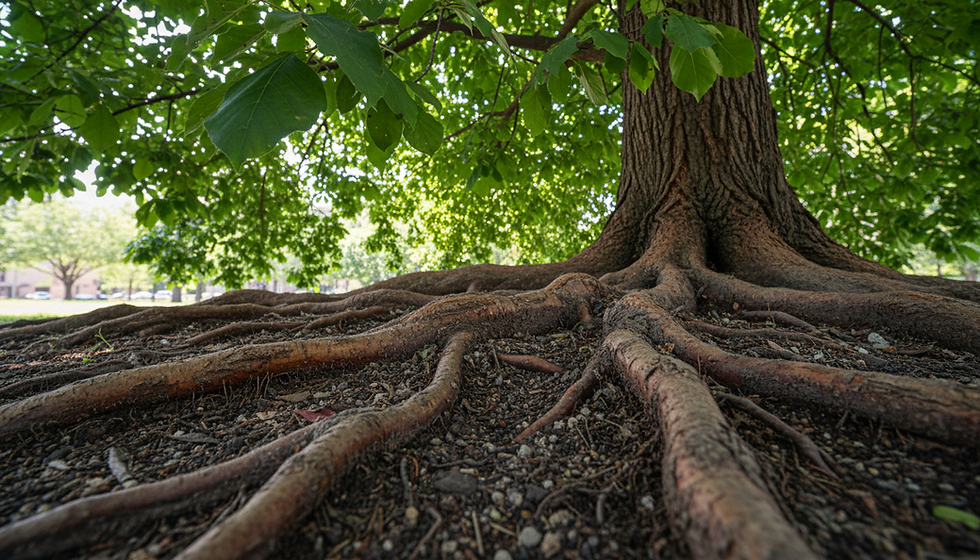
Root Zone Evaluation: Identify barriers like sidewalks or underground utilities that restrict root growth.
Microclimate Considerations: Note sun exposure, wind patterns, and heat reflection from nearby surfaces.
By understanding these factors, you can design interventions that address the root causes of decline rather than just symptoms.

Precision Pruning and Structural Care
Pruning is more than aesthetic shaping; it’s a critical tool for maintaining tree health and safety. Improper cuts can invite decay or weaken structural integrity. Here’s how to approach canopy care with clinical precision:
Risk Assessments & Inspections: Routine evaluation is critical, especially for street trees. Identifying structural faults early determines if a tree poses a safety risk and dictates whether it needs corrective pruning or a specialized referral.
Strategic Timing: While dormant pruning is excellent for minimizing stress, the ideal schedule depends on the species and condition. However, strict seasonal boundaries—like avoiding spring pruning for Oak and Elm—are mandatory to prevent devastating pest-driven diseases.
Cut Selection: Remove dead, diseased, or crossing branches first. Use clean cuts just outside the branch collar to promote proper sealing.
Structural Training: For young trees, establish a strong central leader and well-spaced scaffold branches to reduce the future risk of failure.
Avoid Over-Pruning: Removing more than 25% of the live canopy stresses the tree, reduces photosynthesis, and triggers panic growth.
Regular inspections and corrective pruning can prevent costly removals and preserve the tree’s longevity.
Soil Health and Ecosystem Management
Healthy soil is the foundation of robust urban trees. Yet, many city soils are compacted, alkaline, and structurally exhausted. Here is how we restore vitality using a clinical, non-destructive approach:
Baseline Soil Testing: Before applying any fertilizer, a comprehensive soil test is mandatory. Urban soils often have high phosphorus and low potassium. A baseline test guides our strategy, prevents blind treatments, and ensures strict compliance with Michigan’s phosphorus fertilizer laws.
Non-Destructive Amendments: We reject outdated, aggressive methods like air spading that violently destroy fragile mycorrhizal networks. Instead, we gently reduce compaction and rebuild the fungal layer using targeted applications of gypsum, high-quality compost, and biochar.
Proper Mulching: Apply a 3-4 inch layer of organic mulch around the drip line, keeping it completely off the trunk. This conserves moisture, moderates soil temperature, and naturally feeds the soil biome.
Avoid "Weed and Feed" Products: Applying these common lawn chemicals over a tree’s root zone is devastating. They expose the tree and vital soil microbes to herbicides and synthetic fertilizers, forcing unnatural canopy growth at the direct expense of root healing and immune defense.
Watering Regimen: Deep, infrequent watering encourages roots to grow deeper. Avoid shallow, frequent watering that promotes surface roots vulnerable to damage and drought.
These practices create a nurturing environment that supports tree resilience against urban stressors.

Integrated Pest and Disease Management
Targeted Plant Health Care (PHC) is essential for preserving both ornamental and heritage trees. We advocate for a clinical, science-based approach that prioritizes tree immune defense over blanket pesticide applications:
Diagnostic Monitoring: Early detection through rigorous visual inspections and targeted trapping prevents minor pest activity from escalating into a systemic infestation.
Targeted Systemic Treatments: Instead of spraying the canopy or releasing beneficial insects that immediately disperse, we utilize precise trunk injections and macro-infusions. This delivers the treatment directly into the tree’s vascular system, eliminating chemical drift and protecting local pollinators.
Cultural Immunity: A tree's best defense is its own vitality. We maintain high vigor through proper soil nutrition and structural care, drastically reducing its natural susceptibility to invasive pests.
Organic Applications: When topical treatments are required, we utilize MDARD-certified organic sprays following strict application guidelines to ensure environmental balance.
This clinical strategy stops invasive pests efficiently without bathing the property in unnecessary chemicals.
Heritage Tree Renovation and Preservation
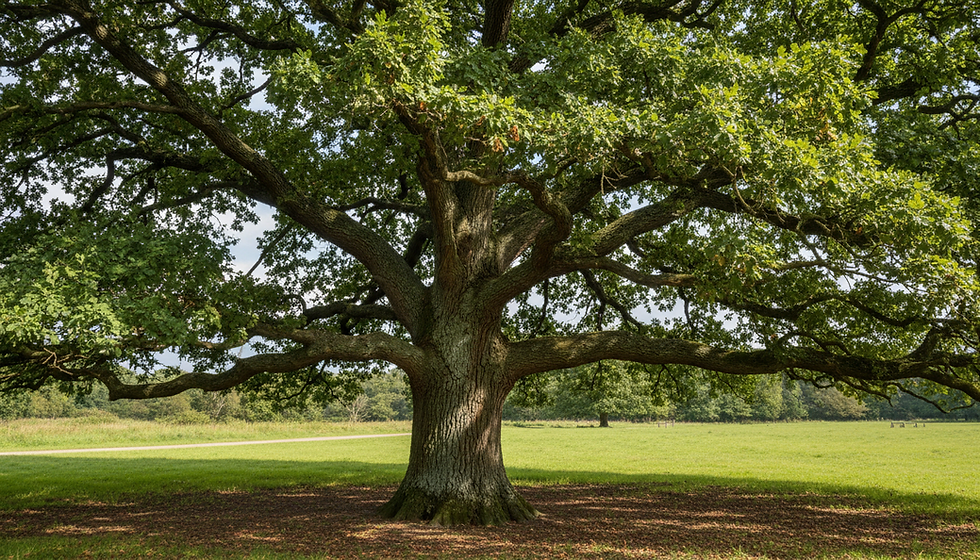
Many urban estates and small orchards in Michigan harbor heritage trees with historical and ecological significance. Renovating these venerable giants requires a delicate balance of intervention and clinical respect:
TRAQ-Certified Structural Assessment: We do not rely on flashy gadgets like sonic tomography. Studies consistently show that an experienced, certified arborist provides a far superior and more accurate structural analysis. We utilize specialized TRAQ (Tree Risk Assessment Qualification) certified inspections to evaluate internal decay and true structural integrity.
Targeted Risk Mitigation: We rarely recommend rigid braces, which often fail to prevent structural failure. However, in specific, high-risk scenarios where tree removal is not desired, we can implement dynamic cabling systems to provide targeted support while still allowing for the natural, necessary sway of the canopy.
Girdling Root Correction: Improper root formation and girdling roots are a quiet epidemic, particularly among urban street trees. We utilize precise quiet root surgery to carefully excavate the root collar, diagnose the structure, and sever choking roots, drastically extending the life of the tree.
Adaptive Long-Term Monitoring: Heritage trees require ongoing, clinical observation. We establish a strategic monitoring protocol to track the tree’s biological response to our interventions, adjust care plans, and ensure sustained canopy vigor over time.
Preserving these living legacies enhances property value and maintains biodiversity.
Embracing Holistic Urban Tree Preservation
In my practice, I emphasize a philosophy of clinical preservation over reactionary removal. An urban tree is not an isolated object; it is a complex biological system constantly interacting with a high-stress environment. By applying scientific rigor, baseline diagnostics, and adaptive management, we don’t just "maintain" trees—we engineer long-term resilience into the urban canopy.
For those seeking expert guidance, I recommend exploring our specialized Urban Arbor Care Services tailored to Michigan’s unique climate and structural challenges. By applying scientific rigor and adaptive management, we don’t just maintain trees—we engineer long-term resilience into your estate's canopy.
If you are ready to transition from reactionary tree-cutting to true preservation, Schedule a Clinical Consultation to establish a baseline health assessment for your property.

Comments