-01.avif)

Estate Tree Maintenance Guide: The Importance of an Estate Tree Maintenance Plan

When you own a grand estate or a cherished orchard, your trees are more than just plants - they are living monuments to time, nature, and legacy. As an expert arborist and clinical tree consultant, I have witnessed firsthand how a well-crafted estate tree maintenance plan can transform the health, beauty, and safety of your property. Trees are complex organisms, and their care requires precision, science, and a touch of artistry. In this guide, I will share the essential principles and tactical steps to preserve and enhance your estate’s arboreal assets.
Why Every Property Needs an Estate Tree Maintenance Plan
Trees on estates and orchards are not just decorative elements; they are vital components of the ecosystem and property value. Without a structured estate tree maintenance plan, even the most majestic trees can succumb to disease, pests, or structural failure. A comprehensive tree maintenance plan ensures:
Longevity: Proper care extends the life of your trees by decades.
Safety: Regular inspections prevent hazardous limb failures.
Aesthetic Value: Pruning and shaping maintain the natural beauty and architectural form.
Ecological Balance: Healthy trees support local wildlife and soil health.
Economic Sense: Preventative care reduces costly emergency removals or replacements.
In Oakland County and across Michigan, where seasonal changes and invasive pests challenge tree health, a proactive approach is not optional - it is essential.

Core Components of an Estate Tree Maintenance Guide
Creating a maintenance guide is a scientific and artistic endeavor. Here are the core components I recommend for any estate or orchard owner serious about tree health:
1. Detailed Tree Inventory and Assessment
Begin with a thorough inventory of every tree species, size, and condition on your property. This includes:
Species identification
Age estimation
Health status (signs of disease, pest infestation, structural defects)
Soil and site conditions
This baseline data allows for targeted interventions and monitoring over time.
2. Scheduled Inspections and Monitoring
Trees are dynamic organisms. Seasonal inspections help catch problems early. I advise:
Spring and fall inspections for pest activity and disease symptoms
Post-storm assessments for structural damage
Soil moisture and nutrient monitoring
3. Pruning and Structural Care
Pruning is both a science and an art. Proper pruning:
Removes dead or diseased branches
Enhances structural integrity
Improves light penetration and air circulation
Shapes the tree to complement the estate’s aesthetic
4. Precision Pest and Disease Management
In Michigan, aggressive canopy threats like Oak Wilt and Emerald Ash Borer (EAB) require sophisticated, clinical intervention rather than reactive, generic spraying. A true estate maintenance plan relies on Integrated Pest Management (IPM) protocols that prioritize targeted, systemic treatments over broad-spectrum cover sprays.
An effective preservation strategy includes:
Strict Oak Wilt Protocols: Adhering to strict, seasonal pruning restrictions (avoiding cuts from April through July) and deploying localized treatments when a perimeter threat is identified. For advanced containment measures like mechanical root-trenching, we coordinate directly with trusted, specialized contractors to protect your property boundaries.
Targeted Systemic Injections: Utilizing precise trunk-injection technology to deliver protective formulations directly into the tree's vascular system. This method maximizes efficacy against boring insects while completely eliminating environmental drift and protecting non-target beneficial organisms.
Ecosystem Management: Enhancing the natural predatory insect population and optimizing tree vigor to help the canopy naturally resist secondary environmental stressors
5. Advanced Soil and Root Zone Care
A majestic canopy is entirely dependent on the biological health of the subterranean root zone. On historic estates, soil care focuses on preserving delicate root architecture and optimizing the soil microbiome through non-invasive, precision diagnostics rather than disruptive heavy machinery.
Our root preservation protocol focuses on:
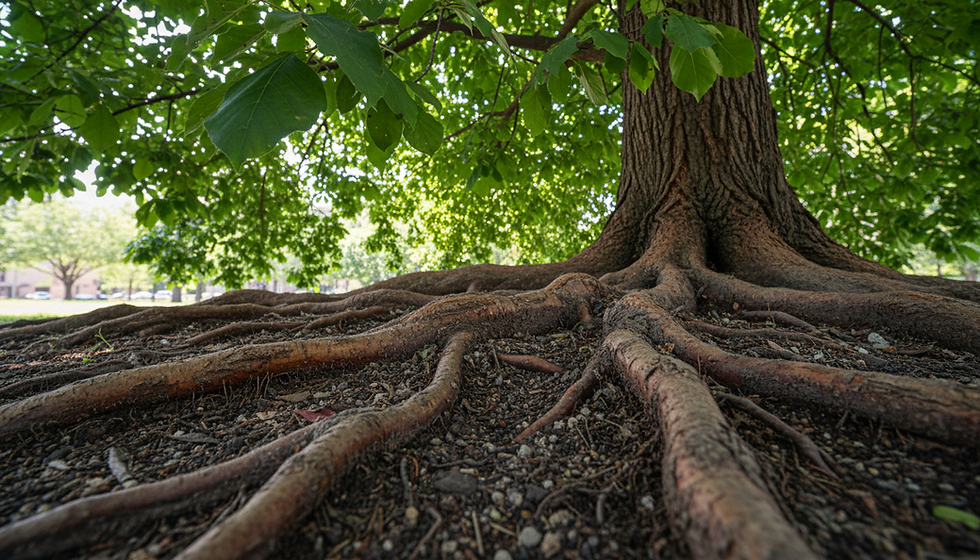
Root Flare Diagnostics: Ensuring the critical root flare—the base where the trunk transitions into the root system—is entirely exposed and free of excess soil or suffocating "mulch volcanoes" that trap moisture and invite fungal rot.
Surgical Root Exploration: Utilizing our signature Quiet Surgery techniques with specialized hand instruments to carefully map and inspect root systems without the noise and landscape damage caused by heavy pneumatic equipment.
Prescription Bio-Stimulants: Injecting customized organic blends, mycorrhizal fungi, and bio-stimulants directly into the subsurface root zone based on precise, clinical soil chemistry profiles rather than guesswork.
6. Emergency Response Plan
Storms and unexpected events happen. Having a plan for rapid response minimizes damage and preserves tree health.
The Science Behind Tree Health Preservation
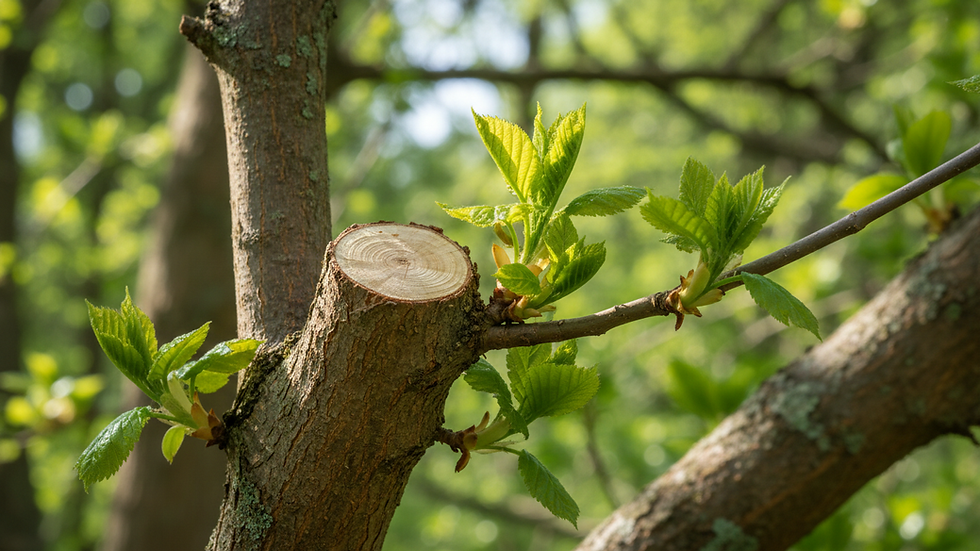
True canopy preservation relies on understanding how a tree naturally responds to structural changes. Improper pruning can create massive wounds that invite decay fungi, permanently compromising structural strength. Conversely, strategic arborist cuts encourage compartmentalization—the tree’s natural defense mechanism to isolate and wall off damaged tissue.
The physics of beauty in trees lies in this exact form-function harmony. A well-maintained heritage tree balances mechanical stability with graceful aesthetics. This balance is achieved through precise cuts, seasonal timing, and an intimate understanding of species-specific growth patterns rather than brute-force clearance.
Implementing a Customized Estate Tree Maintenance Plan
Every estate and orchard is unique. A one-size-fits-all approach does not work. Here’s how I recommend implementing a customized plan:
Consult a Certified Arborist: Engage a professional who understands local conditions and species.
Develop a Written Plan: Document schedules, treatments, and goals.
Train Estate Staff or Caretakers: Ensure consistent care and early problem detection.
Use Precise and Sustainable Practices: Prioritize long-term tree health and environmental safety.
Review and Adapt Annually: Trees and conditions change; your plan should evolve accordingly.
By embedding an estate tree maintenance plan into your property management, you safeguard your investment and the natural heritage of your land.
The Art and Science of Heritage Tree Renovation
Many estates boast heritage trees that have stood for generations. These trees require specialized care to preserve their legacy. Heritage tree renovation involves:
Careful structural pruning to reduce risk without altering character
Treatment of chronic vascular declines using targeted, scientifically proven protocols
Soil restoration to support aging root systems
Proactive monitoring and micro-injections for invasive pests based on strict regional flight schedules
This approach respects the tree’s history while ensuring its future.
Beyond Maintenance: Enhancing Your Estate’s Natural Beauty
A well-maintained tree is a living sculpture. Through thoughtful pruning and care, you can enhance the natural architecture of your landscape. Consider:
Creating sightlines that frame views or architectural features
Encouraging natural wildlife habitats
Using native species to support local ecology
Integrating fruit trees and small orchards for both beauty and productivity
The physics of beauty in your estate’s trees is a dance between light, shadow, form, and function. It requires a clinical eye and a poetic sensibility.
Sustaining Your Estate’s Arboreal Legacy
Maintaining your estate’s trees is a long-term commitment. It requires vigilance, knowledge, and a passion for preservation. By adopting a scientific, precise, and adaptive approach, you ensure that your trees remain vibrant, safe, and beautiful for generations to come.
Your trees are living legacies - treat them with the respect and expertise they deserve.
If you are ready to elevate your estate’s tree care to clinical levels of excellence, consider developing a tailored maintenance guide that reflects the unique needs of your property and the natural rhythms of Michigan’s seasons. Your trees will thank you with decades of health and beauty.


Comments