-01.avif)

Appreciators vs. Depreciators: Managing Invasive Species in the Urban Forest

When evaluating the health of any system—whether it is a square acre of woodland, a close relationship, or a corporate balance sheet—the most effective metric cuts through the superficial noise. You have to look strictly at the vector of value: systems either compound value or systematically drain it. They are either Appreciators or Depreciators.
As someone who spends hours evaluating tree health, managing soil structures, and running a business, I’ve realized that the woods serve as the ultimate field guide for human behavior. By observing our native Michigan woodlands, we can see exactly how asset appreciation and structural depreciation manifest in the living world. You don't need a formal degree in psychology to protect your space; you just need to understand the difference between a native oak and an invasive weed. Shifting the lens to a functional baseline—asking simply whether an organism or an individual multiplies energy or discounts it—provides immediate, actionable clarity.
1. The Ecological Appreciators (The Compounders)
Native species function as the ultimate corporate growth assets. They operate on strict principles of reciprocity, taking a baseline allocation of natural resources and multiplying them into exponential returns for the entire ecosystem. They do not exist in isolation; their presence actively increases the value of every asset around them.
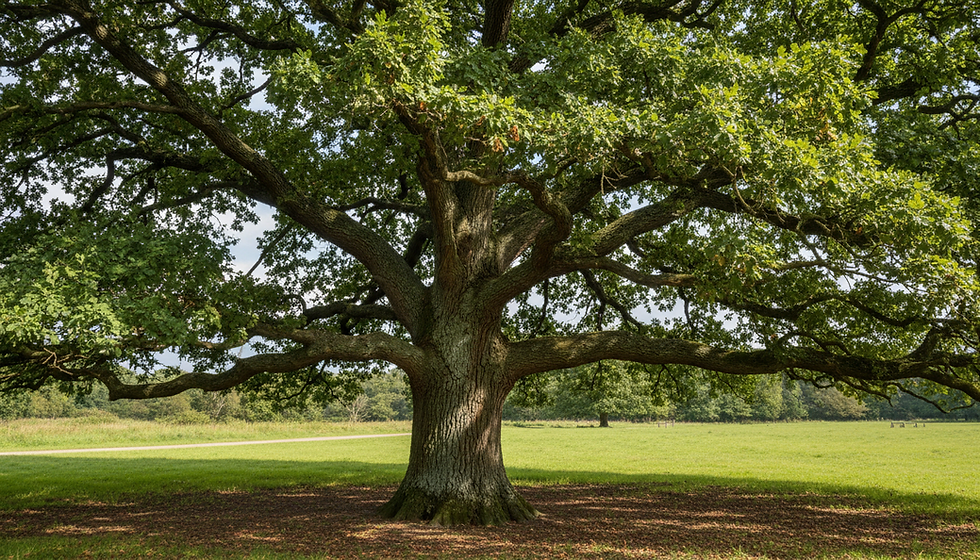
Native Oaks (Quercus spp.)
The Ecological Mechanism: Provides deep root stabilization, canopy optimization, and massive biomass production, supporting over 500 species of caterpillars to feed the local food web.
The Human Parallel (The Reciprocal Builder): A partner, client, or peer who celebrates your wins, shares resources, and naturally seeks to expand the sandbox for everyone. They are never threatened by your growth.
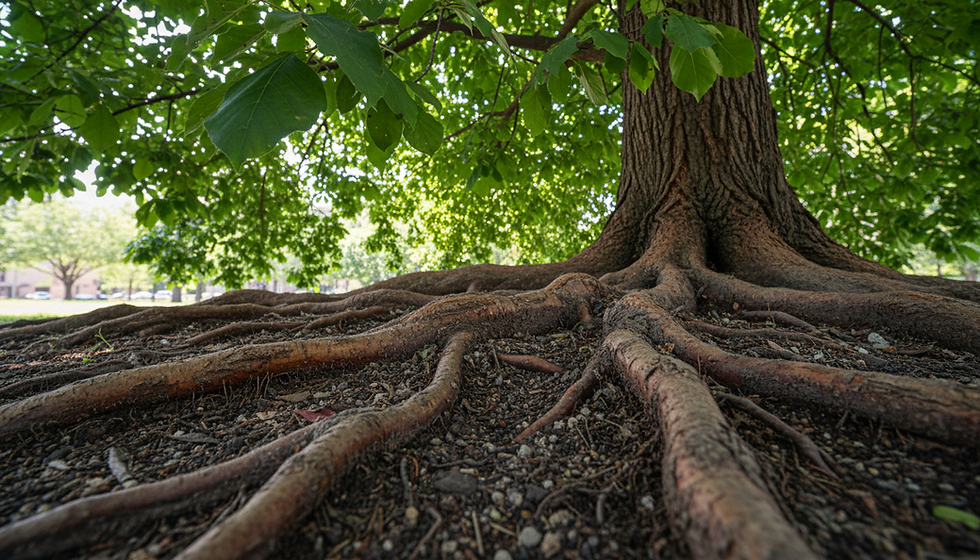
Mycorrhizal Networks (Subterranean Fungi)
The Ecological Mechanism: Acts as a biological logistics network, actively routing water, minerals, and distress signals between flora to preserve overall system stability.
The Human Parallel (The Network Compounder): High-EQ individuals who listen deeply, connect people genuinely, and naturally route support toward vulnerability without demanding a transactional return.
An oak tree does not compete aggressively to starve its neighbors; it builds an empire that feeds them. True appreciators lift the ceiling for the entire community, creating a rising tide that spirals the ecosystem upward.

2. Invasive Species and Ecological Depreciators
Conversely, invasive and opportunistic species act as high-maintenance, extractive liabilities. They operate on a scarcity mindset, utilizing aggressive monopolization tactics to secure their own survival at the explicit expense of the host environment. They degrade the foundational infrastructure, leaving the surrounding system resource-bankrupt.
Herein lies the great paradox of the ecological depreciator: on the surface, they are often beautifully deceptive. A massive cluster of bright golden oysters on a log or a field of delicate garlic mustard in early spring can look stunning and entirely innocent. They mimic the visual appeal of healthy growth, masking the quiet devastation occurring right beneath the surface.
Spotted Knapweed & Garlic Mustard
Extractive Behavior: Allelopathy—secreting biochemical toxins directly into the surrounding soil to poison the ground and inhibit native germination, effectively destroying soil equity.
The Human Parallel (The Environmental Poisoner): The individual who relies on backhanded compliments, subtle eye-rolls, or quiet gossip to make the social or professional soil toxic, ensuring others are too drained to branch out.
Golden Oyster & Buckthorn
Extractive Behavior: Rapid surface monopolization and resource hogging. They crowd out native competitors by taking up all available real estate while offering zero reciprocal value to the established network.
The Human Parallel (The Resource Hog): Characters who monopolize space, credit, or airtime through superficial charm or constant crisis. They take everything, contribute nothing to the collective web, and leave others bankrupt.

Delicate Destruction: A single garlic mustard plant appears innocent in the foreground, but the blurred field behind it reveals a creeping toxic carpet that actively poisons the soil to prevent native seeds from germinating. (Photo © 2026 Dawn Hughes)
The Field Guide for Survival
The primary lesson from the local ecology is that depreciative systems are fundamentally unsustainable. A system built entirely on extraction eventually starves its host and collapses under its own structural deficit. In forestry, dealing with garlic mustard isn't an emotional debate or a psychological negotiation; it is a matter of strict operational hygiene. We pull it out by the roots because if we don't, the ecosystem we are responsible for safeguarding dies.
Managing your personal and professional landscape requires the exact same clarity. You do not need to diagnose the exact roots of a predator's behavior to know they are draining your soil. Spot the extractors early, recognize the paradox of their initial charm or beauty, and refuse to let them co-mingle with your hard-earned assets. True long-term sovereignty and compounding growth rely entirely on protecting your boundaries and investing your energy into the native compounders—the appreciators who naturally want to build a thriving, high-value ecosystem alongside you.
Are Depreciators Taking Over Your Property?
Whether it is a creeping toxic carpet of garlic mustard or an aggressive stand of buckthorn shading out your native canopy, dealing with invasive species requires strategic, professional intervention. You don't have to battle the extractors alone.
At Urban Arbor Care, we specialize in professional invasive species removal, woodland management, and ecological restoration. We identify the depreciators draining your soil and eliminate them, giving your native compounders the space they need to thrive.
Ready to protect your landscape's equity? Contact us today to schedule a site evaluation.

Comments